
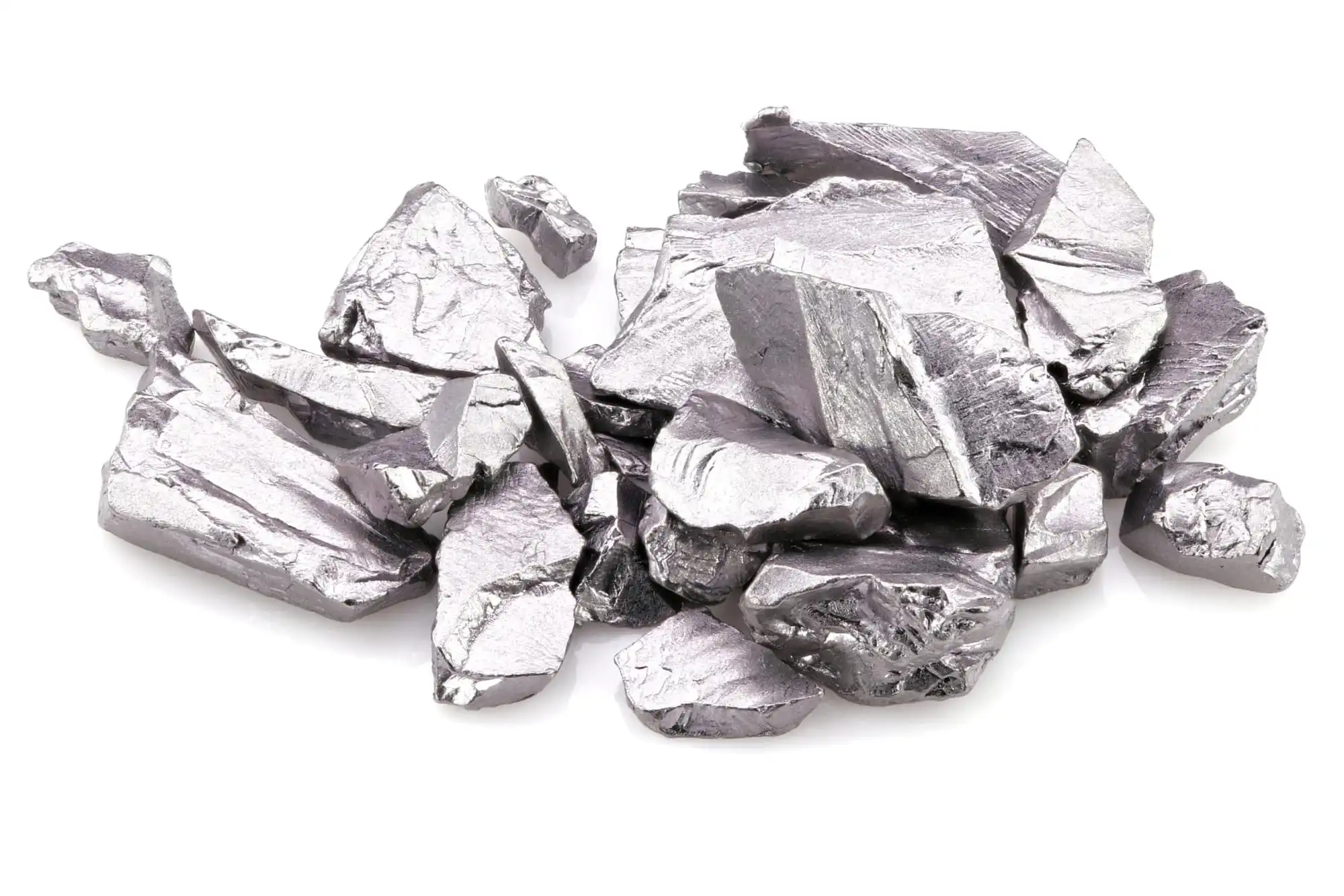
Tantalum – Central Africa more of a threat than China

Tantalum has an essential role in the electronics industry, with products used in consumer, automotive, military, medical and aerospace.

Our key takeaways:

  • Tantalum production is dominated by African countries, with Democratic Republic of Congo accounting for over 40% of mined tanalum in 2024
  • Artisanal and small-scale mining (ASM) accounts for over 60% of Central African mined tantalum production
  • The global electronics industry accounts for more than 50% of tantalum consumption, with the largest single use in capacitors, which store energy electrostatically in an electric field
  • Known global resources of tantalum are equivalent to at least 100 years of supply at current consumption rates, but a relatively heavy reliance on geopolitically unstable areas of Central Africa has the potential to affect supply in short-term cycles.

The size of the tantalum market compares suitably with the the previous four critical minerals covered in our reports, however the supply side dynamics are far more balanced, with China only accounting for 30% of metal production in 2024. The global outlook for the tantalum market hence appears relatively steady, with price movements likely to be affected by short-term fluctuations in output and sentiment in response to political events in Central Africa.


Read the full report here

More Like This

The years 2021 and 2022 marked a golden era for the junior resources IPO market, when as one seasoned industry veteran wryly put it, “you could have floated a brick on the ASX”.

Due to their role in clean energy technologies and semiconductors, critical minerals remain central to government policy agendas and public interest. Like gallium, indium faces rising demand, supply bottlenecks, volatile pricing, and geopolitical headwinds. Indium is indispensable for modern technologies – from smartphone screens to advanced semiconductors – but transparency in its market is limited, […]

China’s dominance in gallium supply sparks global concerns, pushing nations to develop alternative sources and reduce reliance on Chinese exports.