
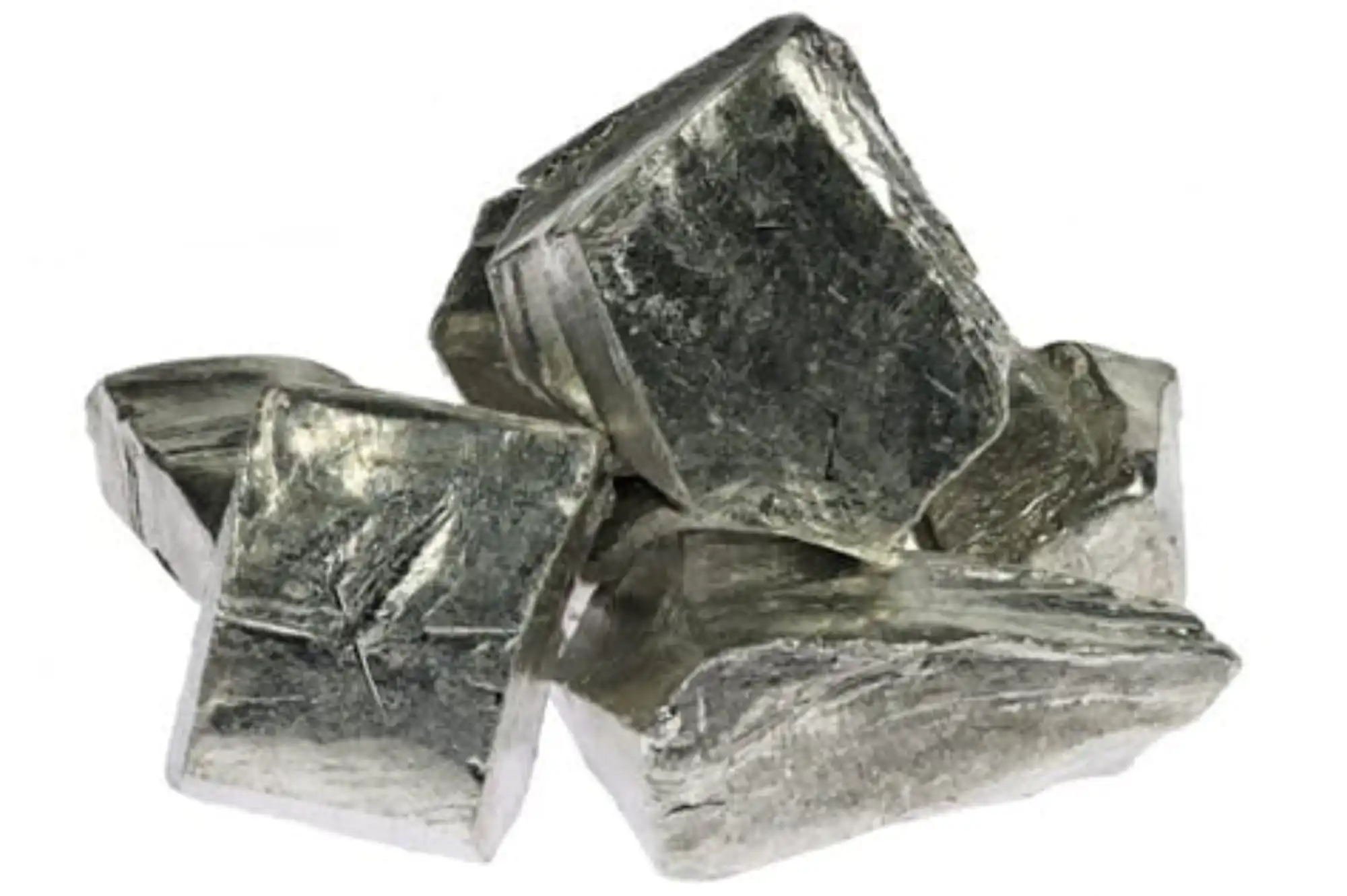
Due to their role in clean energy technologies and semiconductors, critical minerals remain central to government policy agendas and public interest. Like gallium, indium faces rising demand, supply bottlenecks, volatile pricing, and geopolitical headwinds.
Indium is indispensable for modern technologies – from smartphone screens to advanced semiconductors – but transparency in its market is limited, leaving both supply and demand outlooks uncertain.
With China controlling production and tightening export rules, Western markets remain vulnerable. Although alternative technologies are being explored, indium is poised to remain a critical and contested mineral in the years ahead.
Our key takeaways:
Fill out the form below and we'll be in touch shortly.
Sydney : +61 (02) 9250 000
Perth : +61 (08) 9480 2500
© RFC Ambrian 2026. RFC Ambrian Ltd (AFSL 233214). RFC Funds Services Pty Ltd (AFSL 560168). All Rights Reserved | Website Design by Wolf IQ